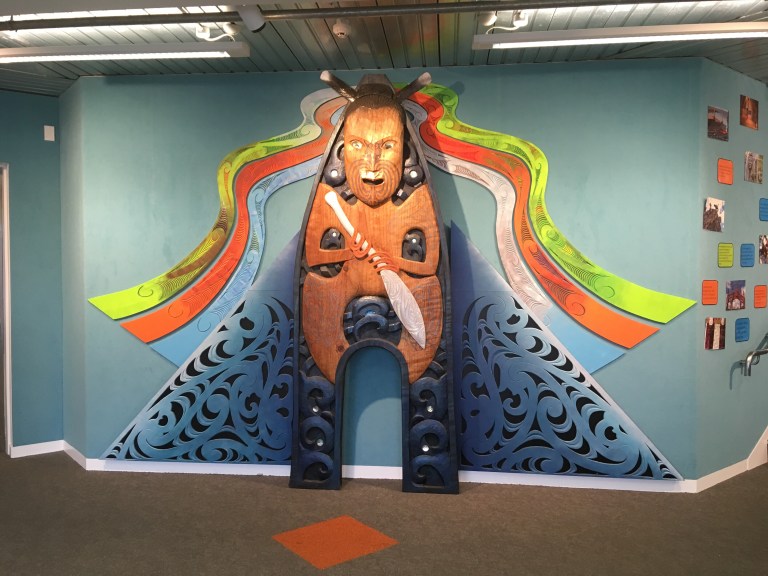

My second school visit was as amazing as the first but in such a different way. Again, for those of you who aren’t educators, this post may or may not be as exciting as jumping dolphins…or maybe it will?
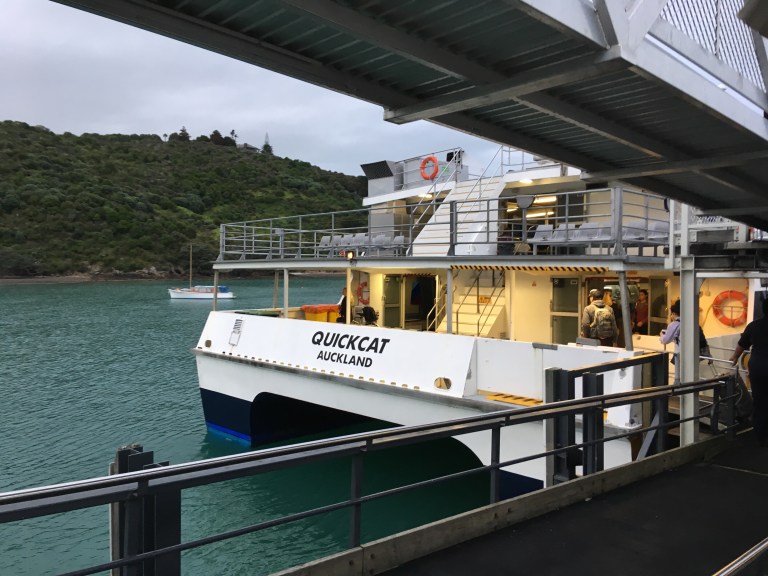
This visit started with yet another early, 35 minute ferry ride into Auckland and then catching a train for a 45 minute ride to West Auckland…all very easy and well worth it. 
 Principal Richard picked me up at the train station and we were at the school in about 5 minutes.
SO interesting, challenging (in a good way!) learning on a different level, applying concepts of culturally responsive pedagogy in a very real and systemic way.
To begin, Richard told me that each school in New Zealand has much autonomy, so each school is a bit like a private school. This school, Arahoe, is one of the largest primary schools in the Auckland area with over 800 students, age 5 to grade 6. When a child turns 5, they are enrolled in school any time of the year so their population fluctuates regularly. This is a very multiracial school…I don’t know the numbers but there are Asian, Indian (25%), European descent, Maori and others.
Richard introduced me to Pia who is the administrator for their Unique Learning Needs students. I wish I had recorded my time with Pia because I got an entire cultural lesson in how the Waitangi Treaty, the law of the land that all residents of New Zealand are held to, is the basis of their entire school focus.  Pia also explained to me the essence of what it means to be Maori: the beliefs, the rituals, each person’s mana (essentially your spirit but there’s more to it), what is taught and handed down by their/our ancestors, the cosmic beginning, the use with students and parents of terms like mana and mana enhancement, mindfulness, yoga, decolonizing education, Maoridom, and so much more…my head was swimming. This is a bicultural society so it is expected that education will be too. So all of this is the basis for their school’s work with each and every student, no matter their ethnicity or beliefs. Now take a child who has unique learning needs and have them, in their own words, talk about their mana (strengths and weaknesses) and pick Maori gods who each have strengths and weaknesses to help them find their ability to be more successful. Talk about culturally responsive pedagogy!

 As we have learned in our own studies of culturally responsive teaching, Pia believes that teaching through the treaty and through Maori tradition will help Maori students have more success in school and life. And, she says, what’s good for Maori students is good for all students. What a brilliant and passionate woman Pia is, who is doing incredible work and research in education of indigenous people around the world. I feel so lucky and honored to have had my own lesson from her…and I know I’m leaving out so many details that I’d love to share.
Next, I was handed off to Randal, Associate Principal in the upper grades. In Maori, the older siblings are called Tuakana so this part of the school is called Ara Tuakana Syndicate. 

This part of the school is a brand new building but what else is brand new (schoolwide) is that they’ve decided to teach using an open concept design. Yikes!…back to the 1970’s! 
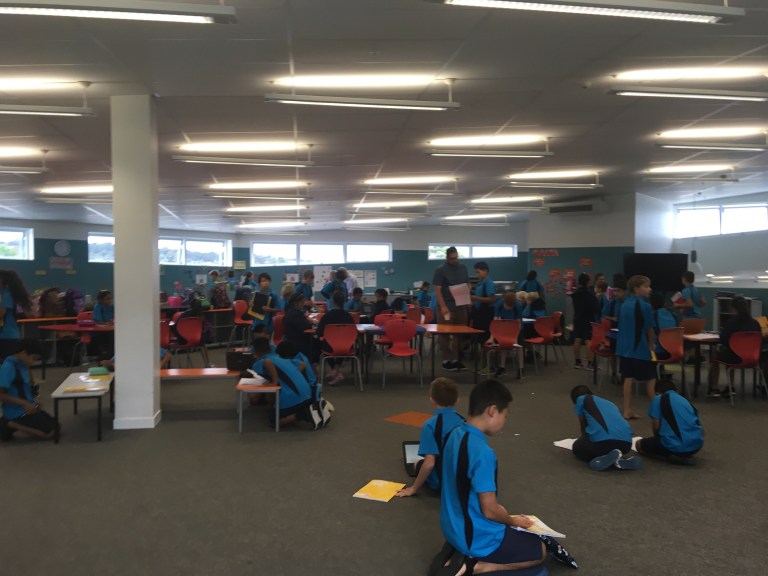
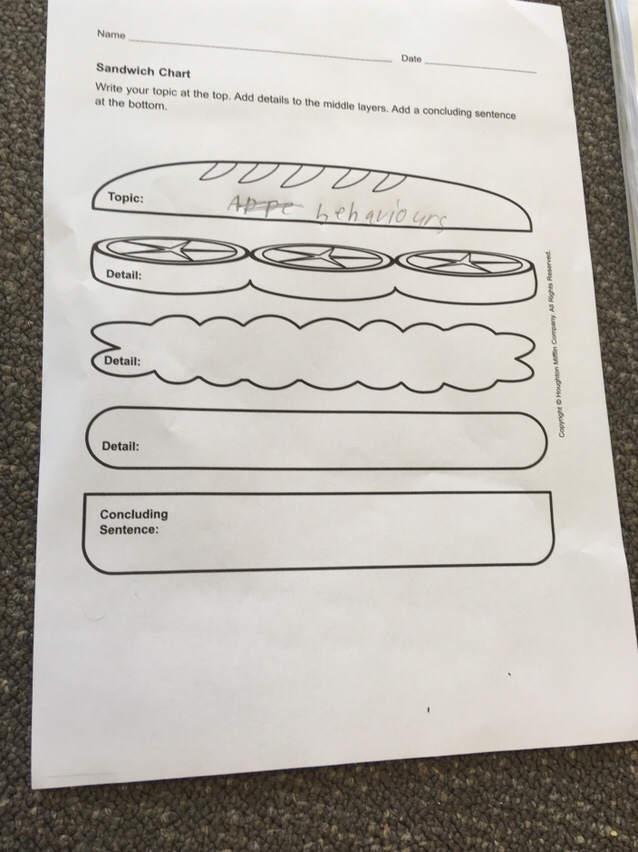
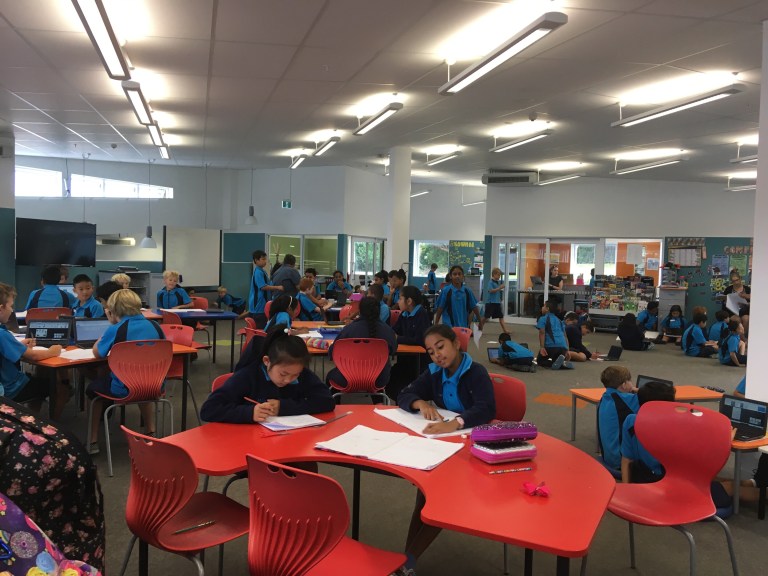 Randal isn’t sure it’s a good idea and asked if we were doing this in the States. I told him we tried it awhile ago but that I don’t think it would be done now due to safety concerns. We need rooms and doors that lock and places to protect kids. He shook his head and offered his apologies. In the largest open room there were probably 3-4 classes of students in grades 5 & 6. They were working on how to write a research paper and presentation using graphic organizers and then putting it into Google docs.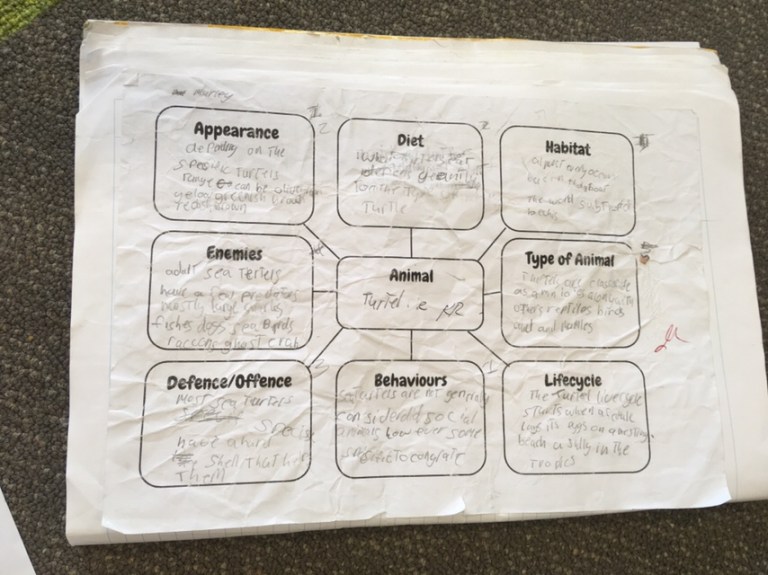
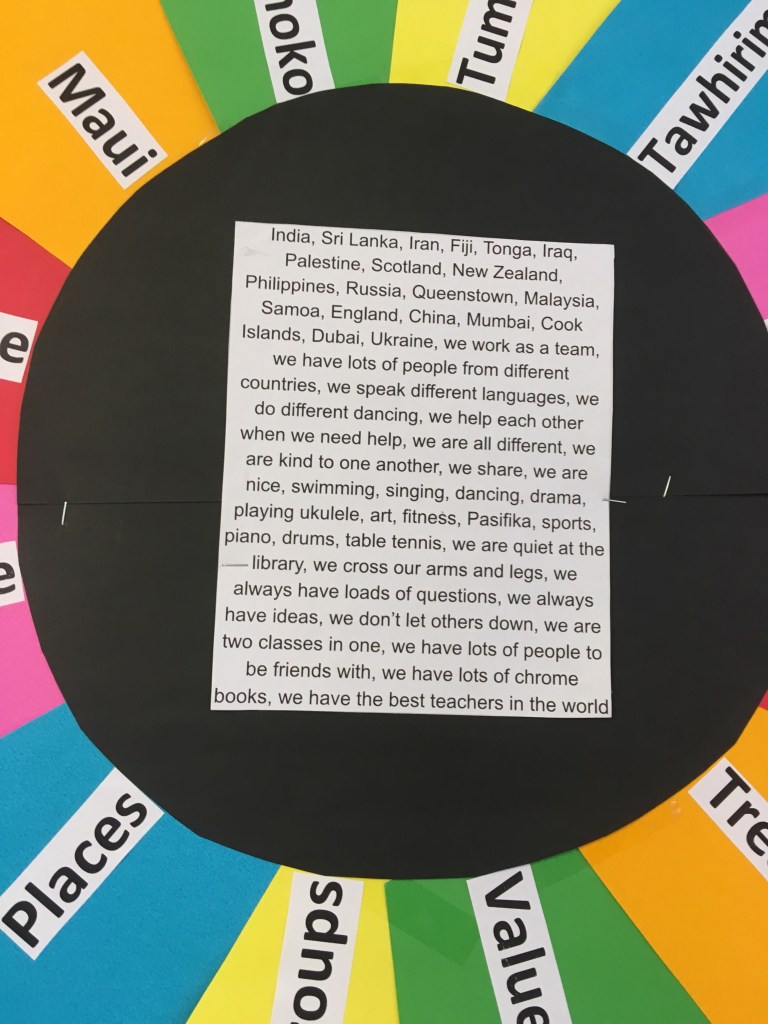
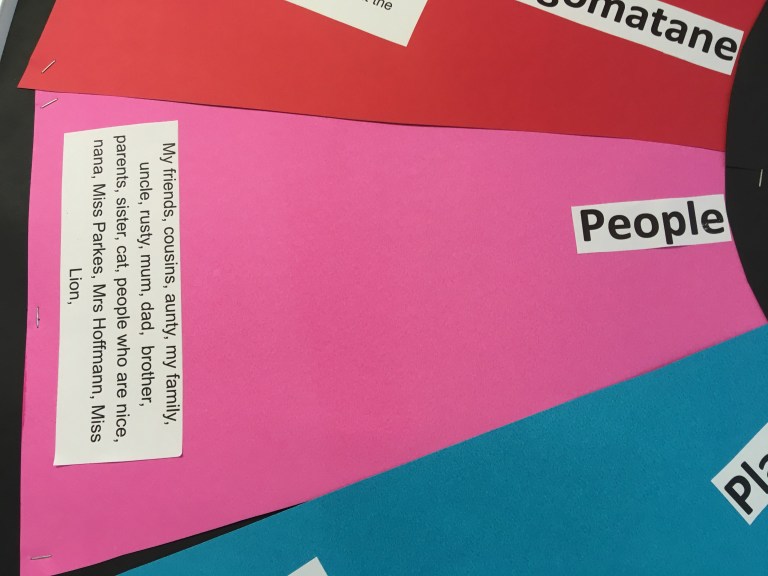
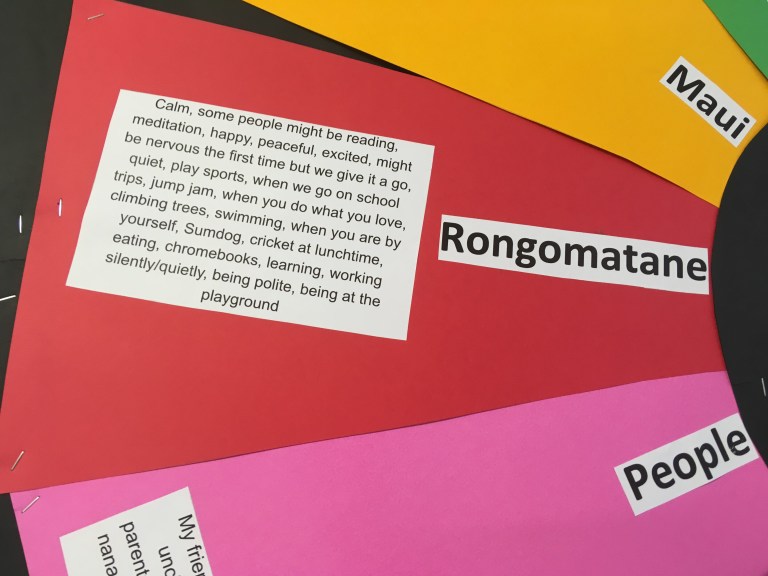
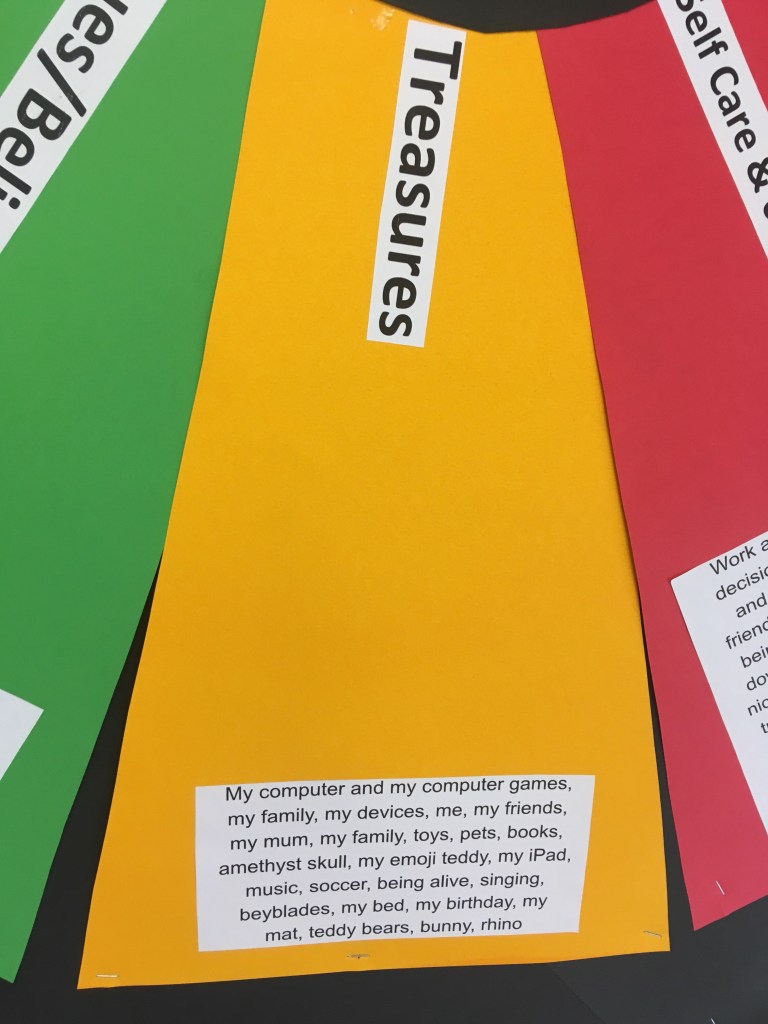
I was escorted by a student to my next Associate Principal, Matt, of the intermediate grades. These are grades 3-4 and the ‘middle’ children, pakeke, so the Ara Pakeke Syndicate. Posted in classrooms was the Waitangi Treaty and also a class mana that the whole class and their teachers created. Here are some of the parts of this class mana that guides their teaching, learning, behavior and engagement with others. If you can read the details, it’s really wonderful: 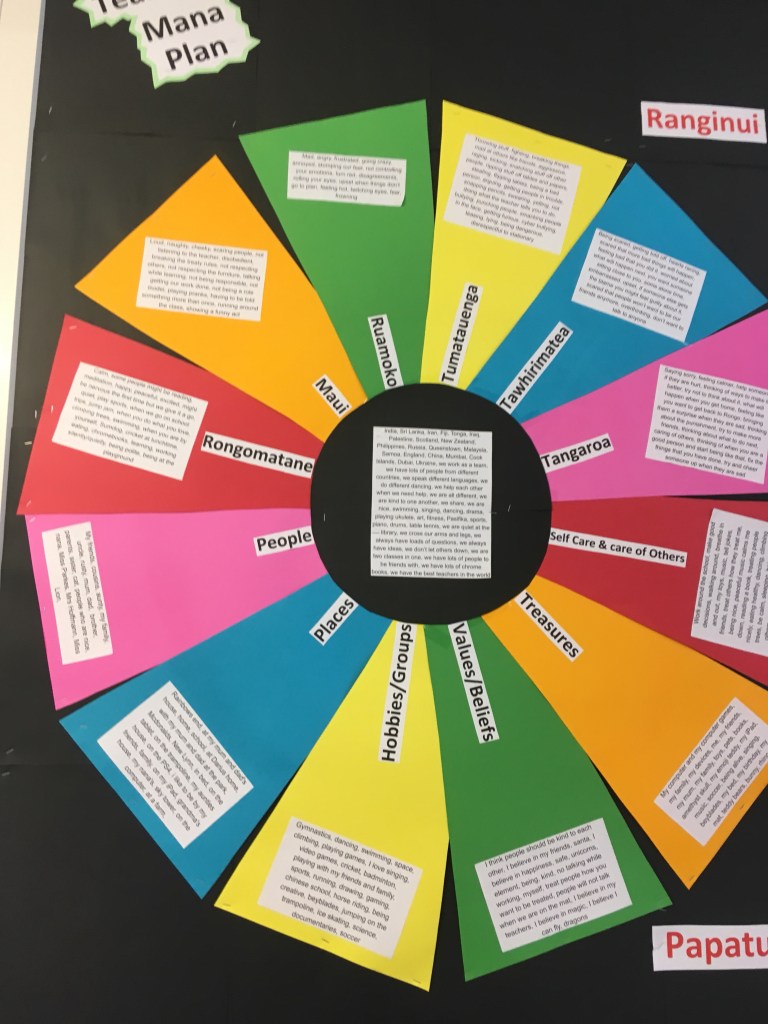



Lastly, I was taken to the youngest children, the 5 year olds just coming to school. I met with Associate Principal Shenita in Ara Teina. Teina is the youngest child. When a new 5 year old arrives at their school they are in a group no larger than 10 students. The goal is to reduce anxiety and stress so that they understand how to be in school. There’s no learning, just time spent becoming comfortable so that any anxiety or stress, ‘fight or flight’ reaction, is reduced and learning can eventually happen. When they are ready, they move to a bigger group where they learn about movement and their place in space related to others. It’s about their physical beings, coordination, balance and how to relate to others. And next, they move to a group that focuses on their well-being, empathy and emotions. Each child goes at their own pace and may move back and forth through these three groups before they’re ready to move into grade 1. All their work is research based like Maslow’s Hierarchy, Perry’s Neuro-Sequential Brain Development, and Nathan Wallace’s ‘All in the Mind’ in addition to Maori culture and blending them all together. Shenita gave me a copy of the mana that her team of teachers made for their planning for this year. 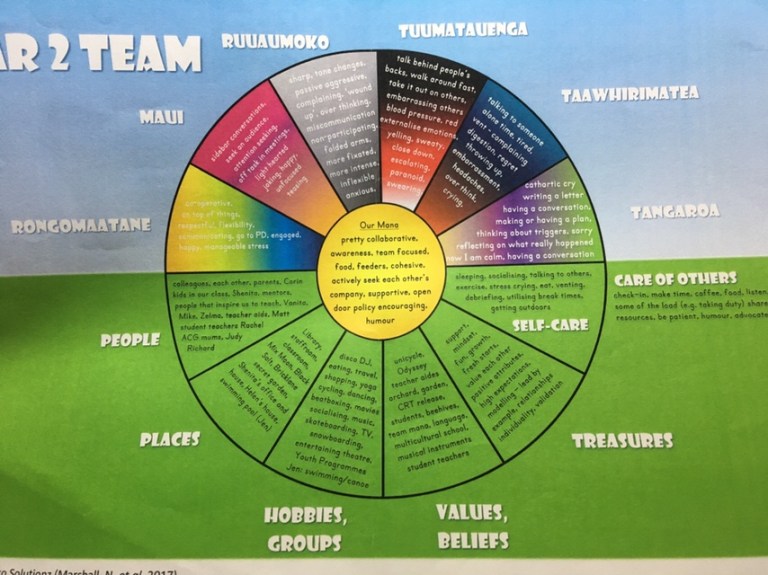
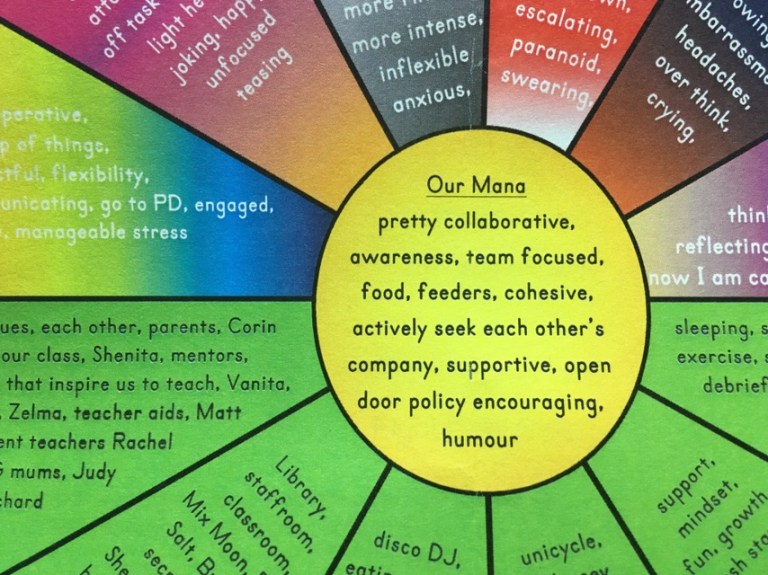
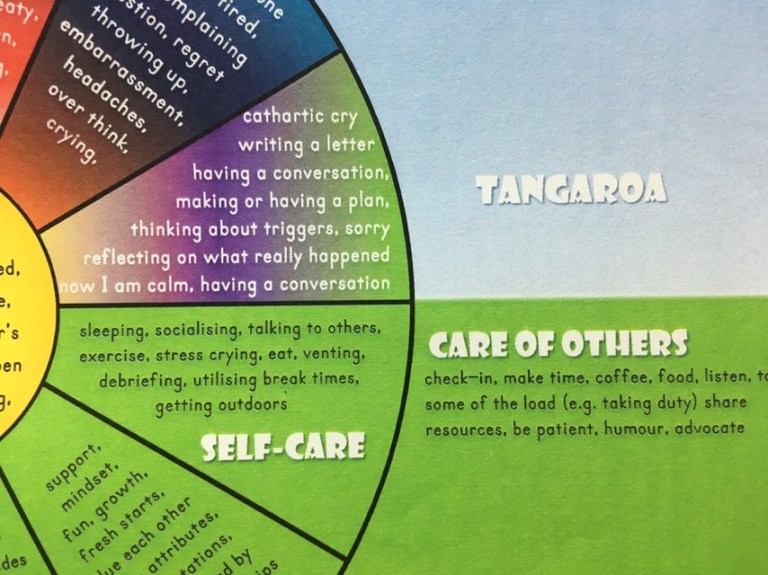
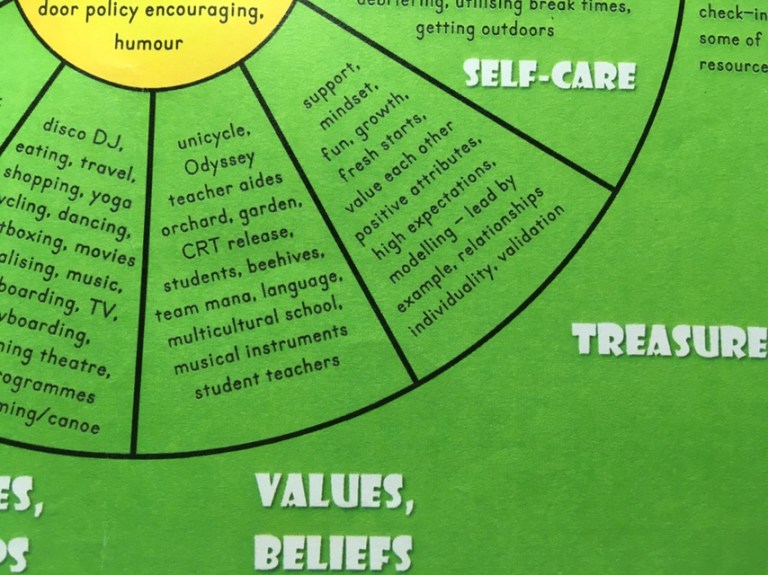
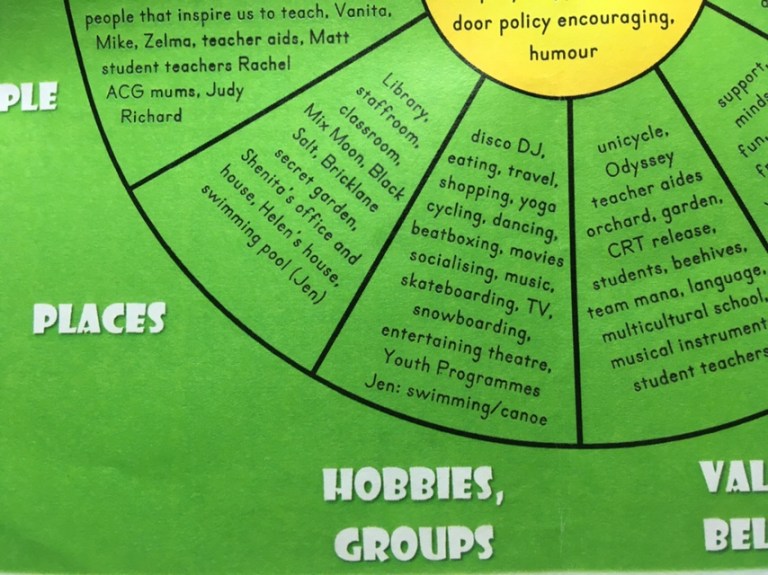


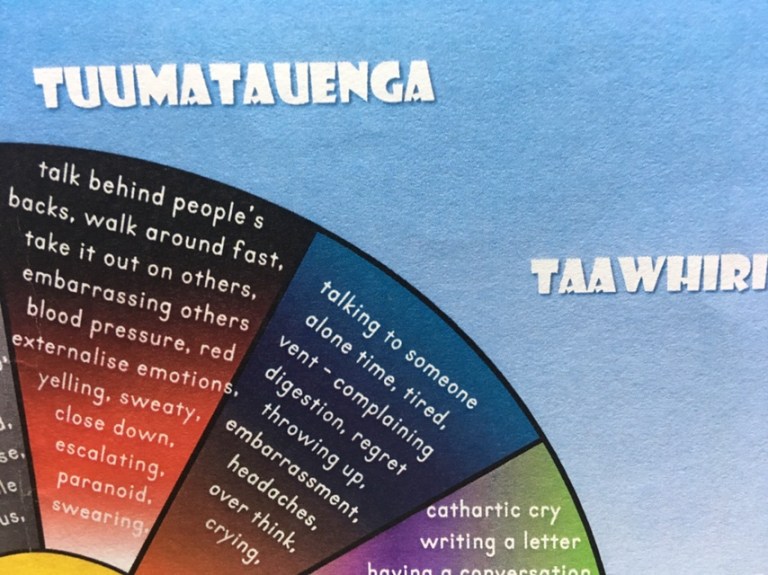
Phew! This is a lot! My apologies to anyone who was expecting sandy beaches and crystal blue waters. I see the school visits as another window into the culture and values of the people of New Zealand and this visit, this school, gave me that opportunity, a perspective very different than Balmoral School. I hope these visits gave you that opportunity too.
Now the school visits are complete and I want to thank Penny at the University of Vermont for introducing me to these schools and principals. Also, thanks to Jan Carpenter for connecting me to Penny. As Richard said, “It’s funny how these connections happen and it all works out.” So true!
 Dawna Bell's Travel Journal